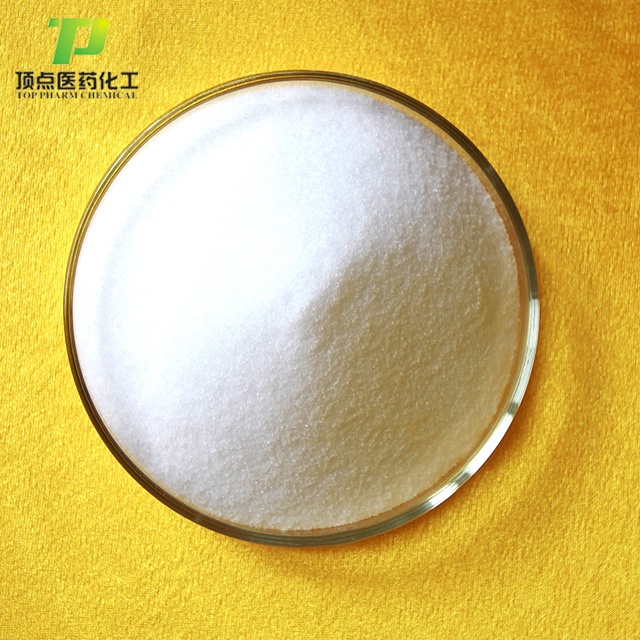
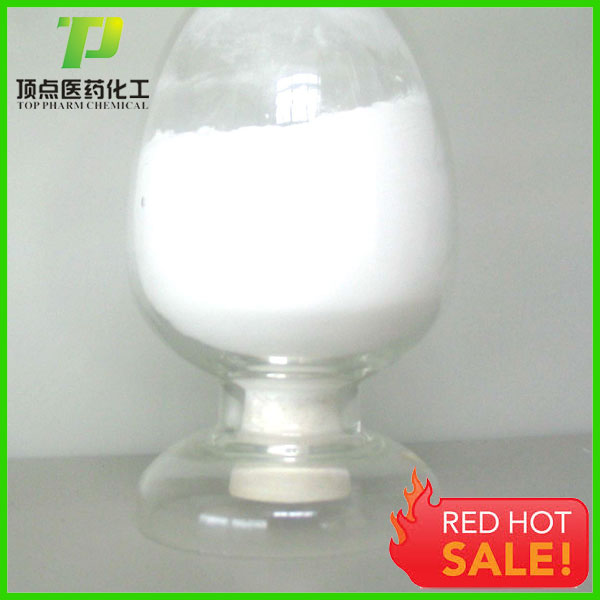
Maltitol is a pleasant-tasting sugar substitute that is almost as sweet as sugar and can be used as a replacement for sugar in almost any recipe. Maltitol offers many advantages over sugar and is safe for use by anyone. Diabetics and those attempting to control their weight will especially appreciate Maltitol's many qualities.
Where does Maltitol come from?
Maltitol is a sugar alcohol, or polyol. Chemically, part of Maltitol's structure is similar to sugar and part is similar to alcohol. It should be emphasized that the alcohol component is not the same as the alcohol we generally think of when we hear the term; that is, the alcohol that is found in alcoholic beverages such as wine and spirits, which is ethanol. Maltitol is derived from the hydrogenation of maltose, which comes from starch.
What can Maltitol be used for?
Maltitol is used as a sugar substitute and can be used to reduce the caloric, sugar and fat content of foods it is added to. It tastes almost as sweet as sugar, and is often used in the making of sweets, such as baked goods, candy, gum, ice cream and chocolate. It will not caramelize as other sugars do and has a unique creamy texture.
What are the benefits of using Maltitol?
Maltitol is 75% as sweet as sugar (some estimates state 90%) and has a taste intensity similar to sugar, but with half the calories and carbs of sugar. Maltitol contributes only 2.1 calories per gram, while sugar contains 4 calories per gram. This makes Maltitol a great substitute for individuals who are trying to lose weight by reducing calories.
Maltitol has a glycemic index of 36, far less than the glycemic index of sugar, which is 60. Many diabetes use products sweetened with Maltitol as a way to enjoy sweets without the subsequent rise in blood sugar that occurs when they eat foods containing sugar. Maltitol is more slowly absorbed than sugar, so that a rise in blood sugar and the related insulin response is decreased. This allows them to enjoy a wider variety of sweets than they might otherwise be allowed.
Best of all, Maltitol is non-cariogenic, a fancy term that simply means it does not cause cavities. This is due to its unique ability to resist being metabolized by bacteria in our mouths that break down sugars and starches to release acids that can harm tooth enamel, resulting in cavities. The American Dental association recognizes that Maltitol and other sugar substitutes are beneficial in the avoidance of tooth decay, as has the FDA, which approves the use of labeling that bears the term "does not promote tooth decay" on products sweetened with Maltitol.
Is Maltitol safe to use?
There have been many exaggerated claims made about Maltitol, specifically regarding intestinal discomfort that may occur in some individuals who eat large quantities of products containing Maltitol. A small proportion of individuals experience gas and bloating after eating products sweetened with Maltitol, and those who eat very large quantities may experience diarrhea. However, this is not the norm and should not deter people who wish to eat products sweetened with Maltitol, especially those who have weight loss or more strictly controlled blood sugar as their goal.
Many studies in both humans and animals have shown positive results with regards to Maltitol's safety as a food additive. In addition, The JECFA (Joint Food and Agriculture Organization/World Health Organization Expert Committee on Food Additives) has given Maltitol its highest safety rating, and has stated that no limits need be placed on the use of Maltitol.
Maltitol
Maltitol is a sugar alcohol (a polyol) used as a sugar substitute. It has 75–90% of the sweetness
of sucrose (table sugar) and nearly identical properties, except for browning. It is used to replace
table sugar because it is half as caloric, does not promote tooth decay, and has a somewhat lesser
effect on blood glucose. In chemical terms, maltitol is known as 4-O-α-glucopyranosyl-D-sorbitol.
It is used in commercial products under trade names such as Lesys, Maltisweet and SweetPearl.
Maltitol Production and uses
Maltitol is a disaccharide produced by hydrogenation of maltose obtained from starch. Maltitol syrup,
a hydrogenated starch hydrolysate, is by hydrogenating corn syrup: a mixture of carbohydrates
produced from the hydrolysis of starch; this product contains between 50% and 80% maltitol by weight.
The remainder is mostly sorbitol, with a small quantity of other sugar-related substances.
Maltitol's high sweetness allows it to be used without being mixed with other sweeteners. It exhibits a
negligible cooling effect (positive heat of solution) in comparison with other sugar alcohols, and is very
similar to the subtle cooling effect of sucrose. It is used in candy manufacture, particularly sugar-free
hard candy, chewing gum, chocolates, baked goods, and ice cream. The pharmaceutical industry uses
maltitol as an excipient, where it is used as a low-calorie sweetening agent. Its similarity to sucrose
allows it to be used in syrups with the advantage that crystallization (which may cause bottle caps to stick)
is less likely. Maltitol may also be used as a plasticizer in gelatin capsules, as an emollient, and as a humectant.
|